
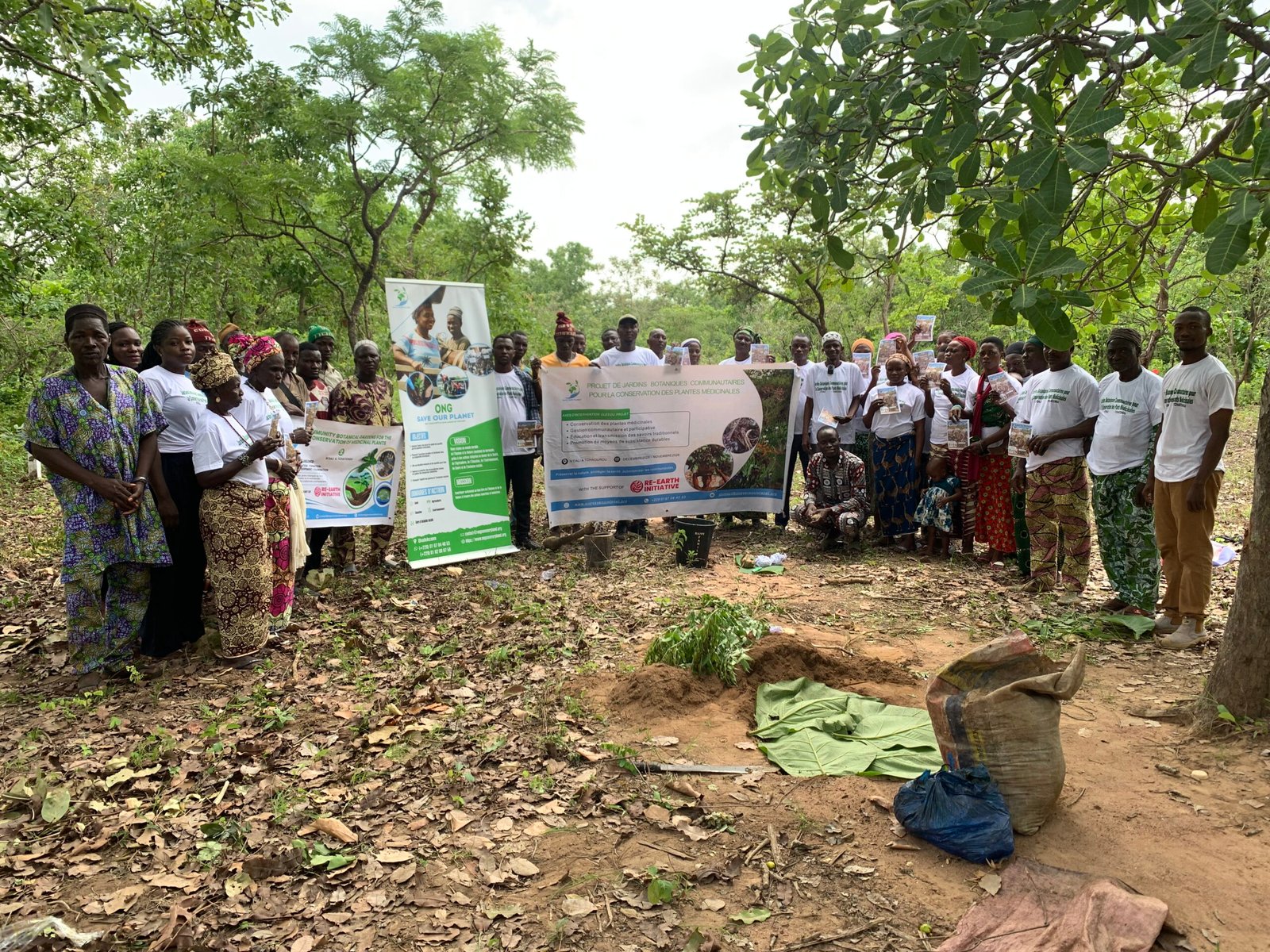
On June 1 and 2, 2026, the NGO Save Our Planet organized two days of intensive training, first in Tchatchou and then in N’Dali. The curriculum covered composting and biopesticides. The objective: to prepare communities for the creation of community botanical gardens aimed at preserving medicinal plants threatened with extinction.

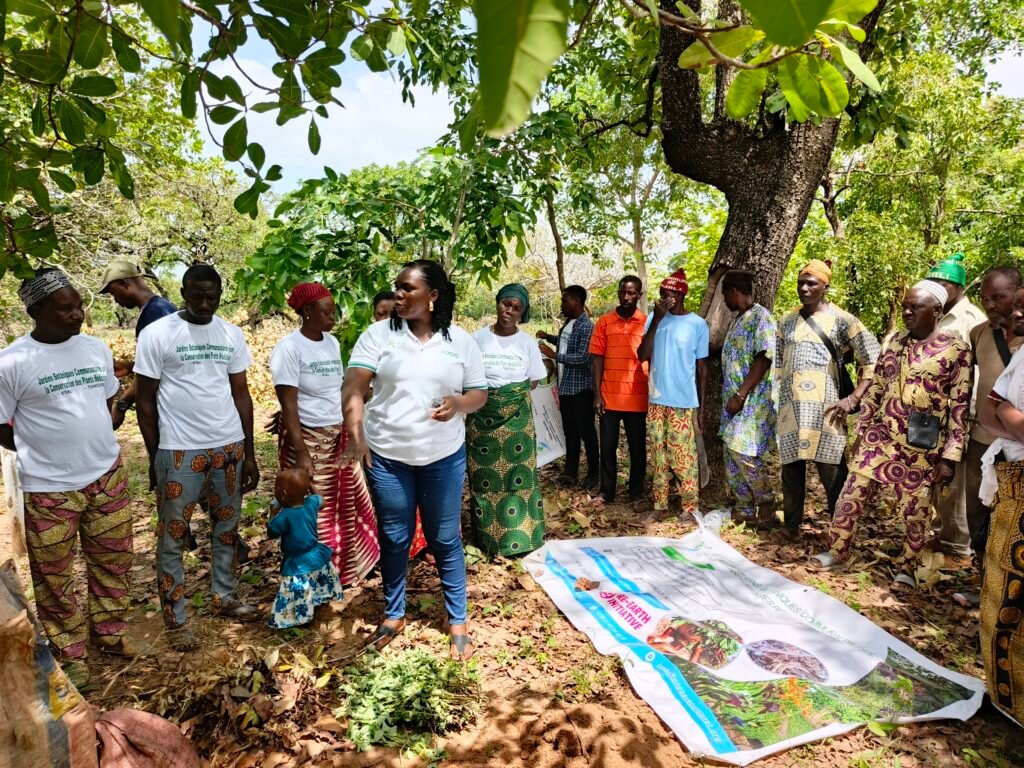
This Monday, June 1, 2026, was no ordinary day in Tchatchou. As early as 8:00 a.m., under a generous sun and the welcoming shade of two large tents, about thirty participants mostly women answered the call of the NGO Save Our Planet. The goal was clear: to become experts in composting and biopesticides in order to protect endangered medicinal plants.
Tchatchou, Monday, June 1, 2026 The Nurturing Earth Within Reach
Even before the trainers began speaking, the atmosphere was already conducive to exchange. Following the participatory method of the JARCOMED project (Community Botanical Gardens), each participant was invited to share their own agroecological « tips. » Some spoke about cattle pen manure. Others mentioned a leaf decoction that repels insects. It was a beautiful prelude to the scientific knowledge that would follow.
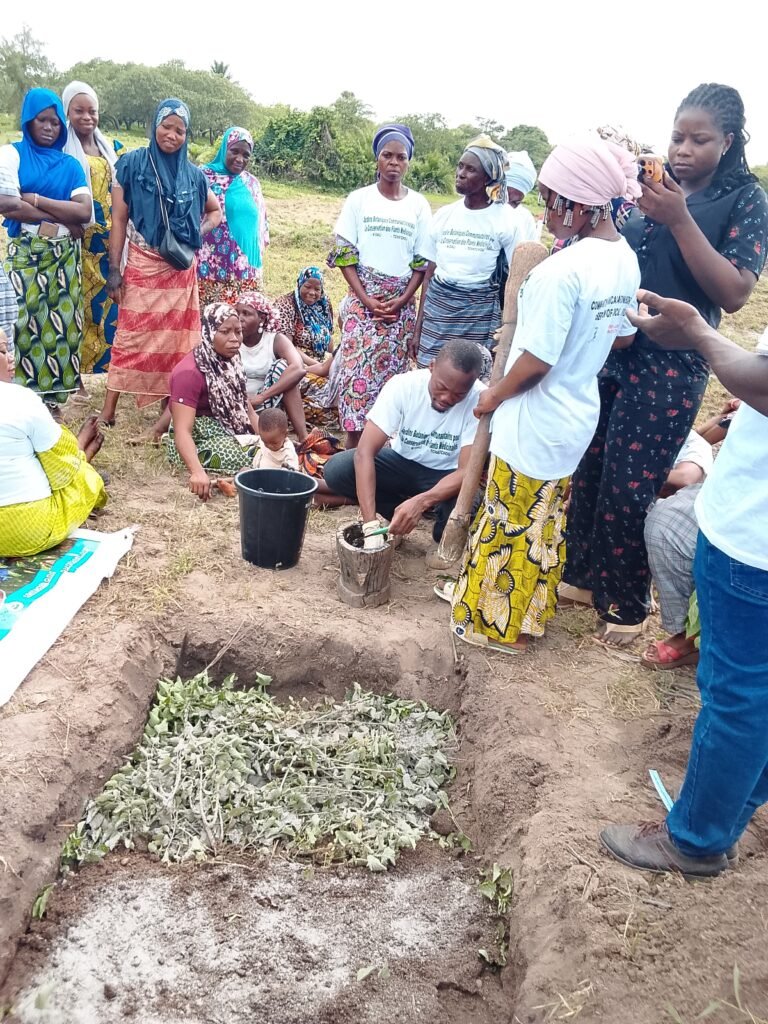
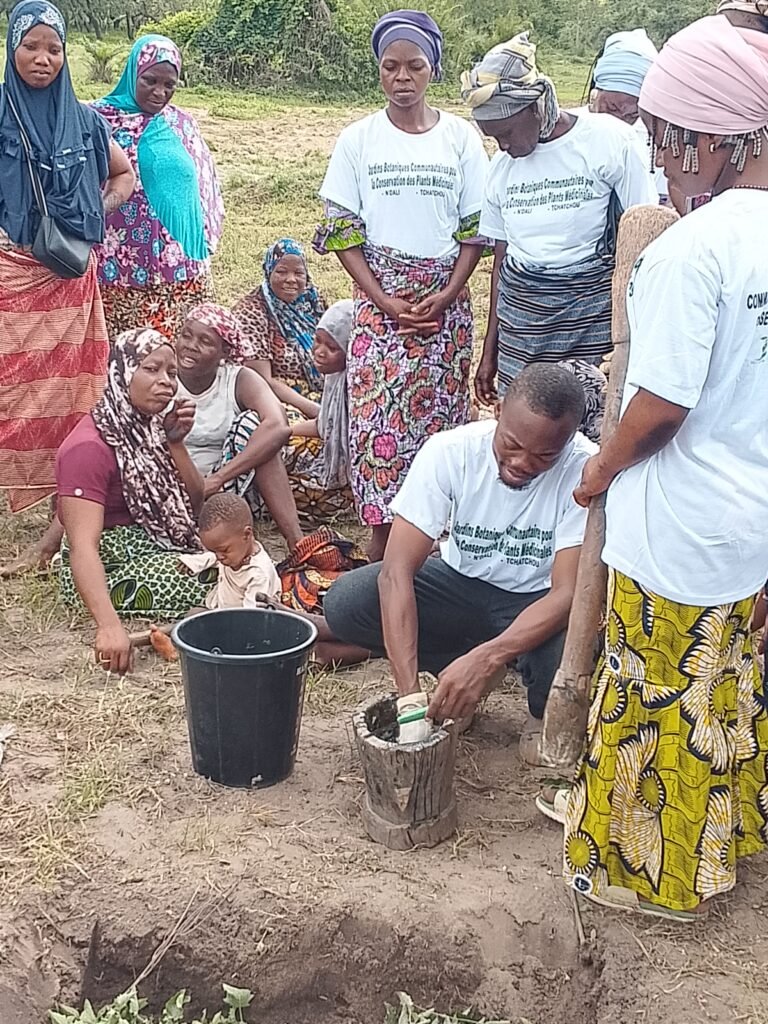
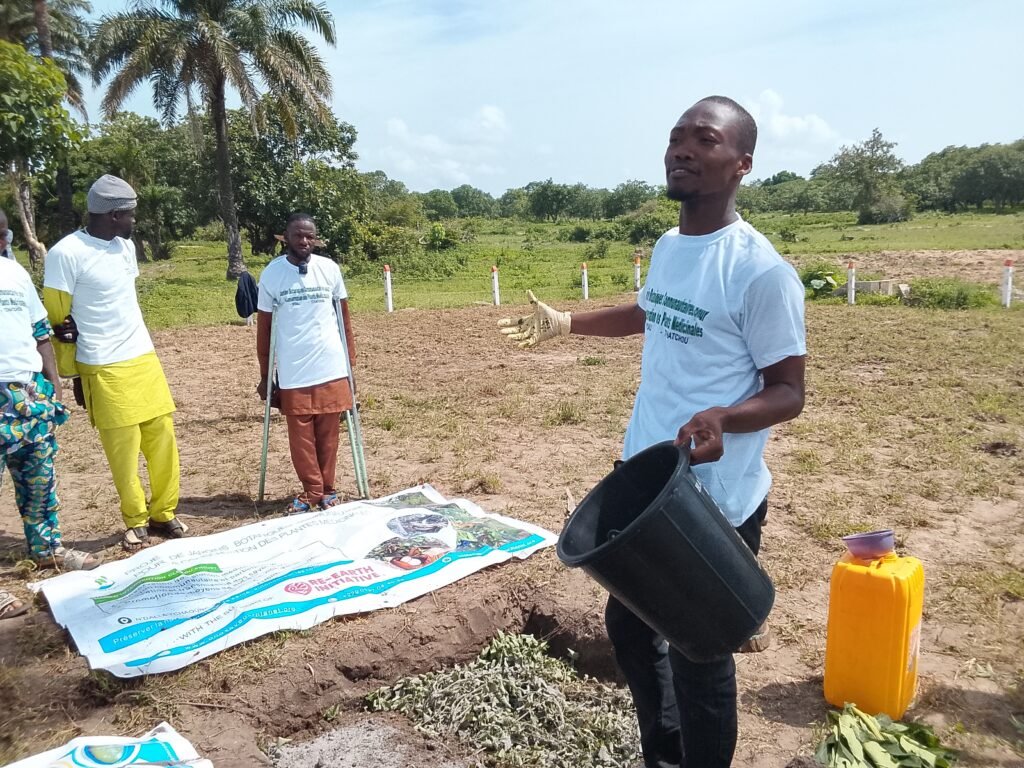
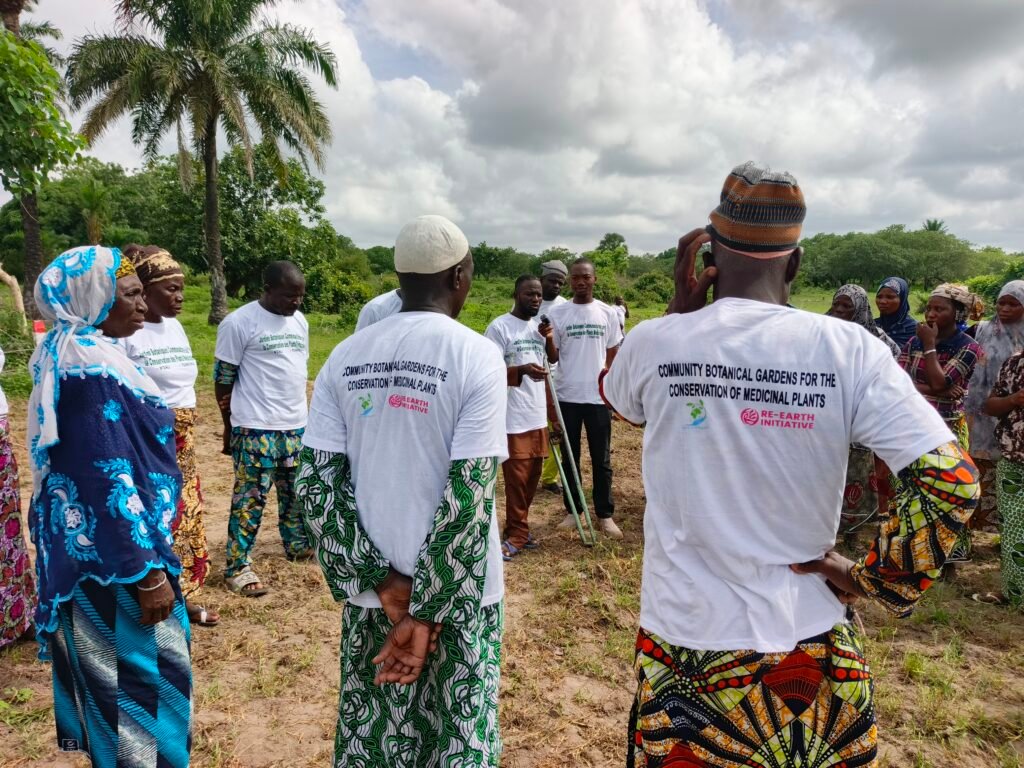

Two expert trainers facilitated the session. Aïchatou Balla, a specialist in Sustainable Land Management, dug her hands into the compost with contagious energy. « Look a good mix of green and brown layers, a little water, and you get the black gold of our gardens, » she explained, surrounded by wheelbarrows and pitchforks. Theory first, then practice: the women took turns building a magnificent demonstration compost bin using local materials.
Then it was Naomie Yabi’s turn. The agricultural engineer took over for the biopesticide production session. Under the mortar and pestle, neem leaves, chili pepper, and black soap were transformed into a mixture that smelled like nature but spells trouble for pests. « It’s simple, economical, and safe for our bees, » Naomie reminded the group. Each participant left with a list of ingredients, ready to try it at home.
The radiant faces of the participants spoke volumes about their satisfaction. « Before, I thought protecting my plants meant using chemicals. Today, we made our own biological pesticide. I am so proud, » a female farmer from Tchatchou told us, beaming.
Beyond the technical skills, a genuine dialogue emerged between the traditional healers present and the trainers. They discussed the 30 threatened species selected for the future botanical garden, the virtues of neem, and how to properly store bark. The meeting of traditional wisdom and academic science was a beautiful sight to witness.
« Our fathers and grandfathers already knew these plants. They knew which ones treat malaria, which ones heal broken bones. But over time, the forest has receded, and young people are no longer interested in our secrets. What we learned today is that our ancestral recipes like neem decoction are also powerful pesticides. Science confirms it. So yes, this project gives us back our place. And we are ready to pass it on. So that our children will once again find living soils and abundant plants, » said the President of the Tchatchou Traditional Healers’ Association.
By way of conclusion, the Save Our Planet team reminded participants that these two days of training in Tchatchou and N’Dali are the cornerstone of the planned reforestation efforts. « A planted tree that is not maintained will die. But a trained farmer makes an entire ecosystem thrive, » the team emphasized.
N’Dali, Tuesday, June 2, 2026 Traditional Wisdom in Service of the Earth
The next day, Tuesday, June 2, 2026, the energy was high in N’Dali. Following the previous day’s success in Tchatchou, the NGO Save Our Planet packed up its materials and headed to the municipality for a second day of intensive training. Same agenda, same enthusiasm but an equally eager audience: about thirty dedicated individuals farmers (men and women) and traditional healers united to save medicinal plants.

From the morning welcome onward, local languages, primarily Baatonun (Bariba), echoed across the site designated for the garden. No abstract, out-of-touch theories here. The focus was on practical, locally grounded knowledge. Participants were invited to share their own tips and competed in ingenuity. All agreed on one point: we need clean, sustainable methods to maintain the future community nurseries.
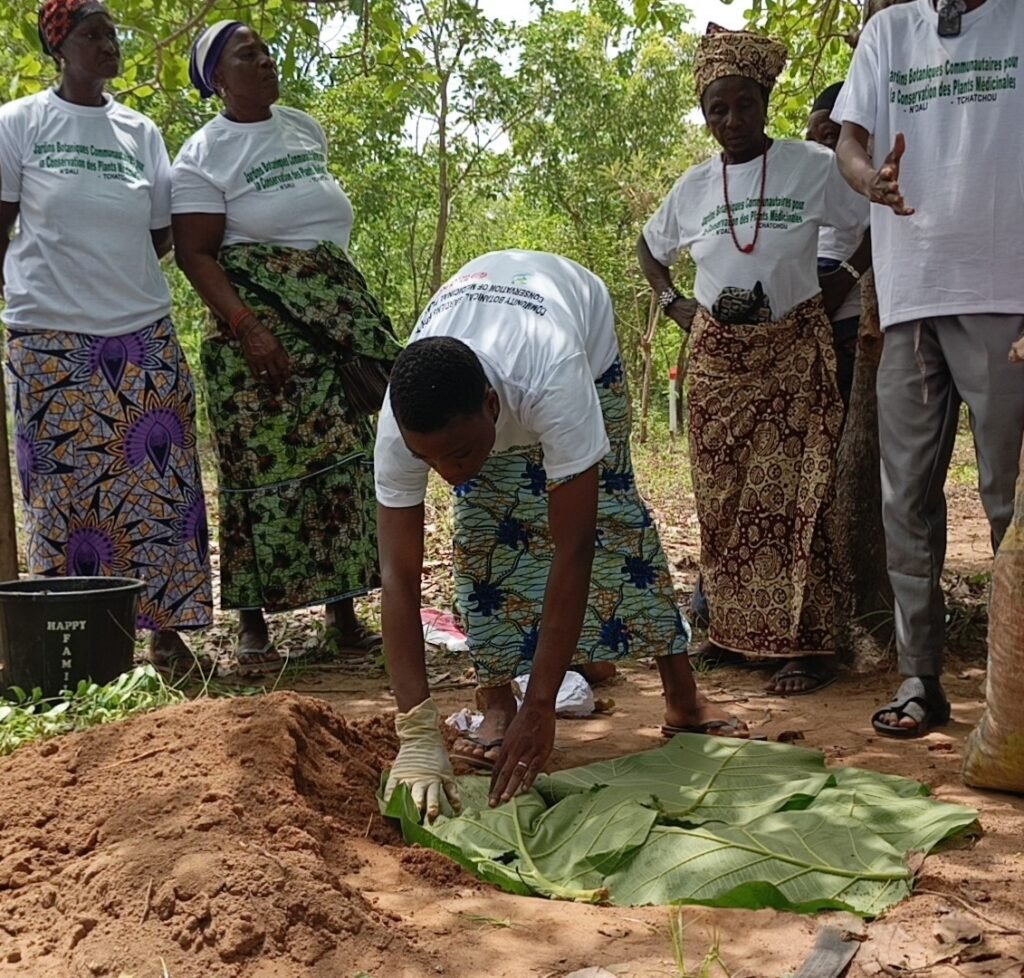
That is where the two trainers stepped in. Aïchatou Balla brought out all her materials: manure, ash, green waste. In less than an hour and a half, she transformed a shapeless pile into a true educational compost bin. « It’s not complicated. You just need to aerate it and monitor the moisture, » she said. The participants, laughing, layered the materials as if baking a festive cake proof that agroecology can be joyful and collaborative.
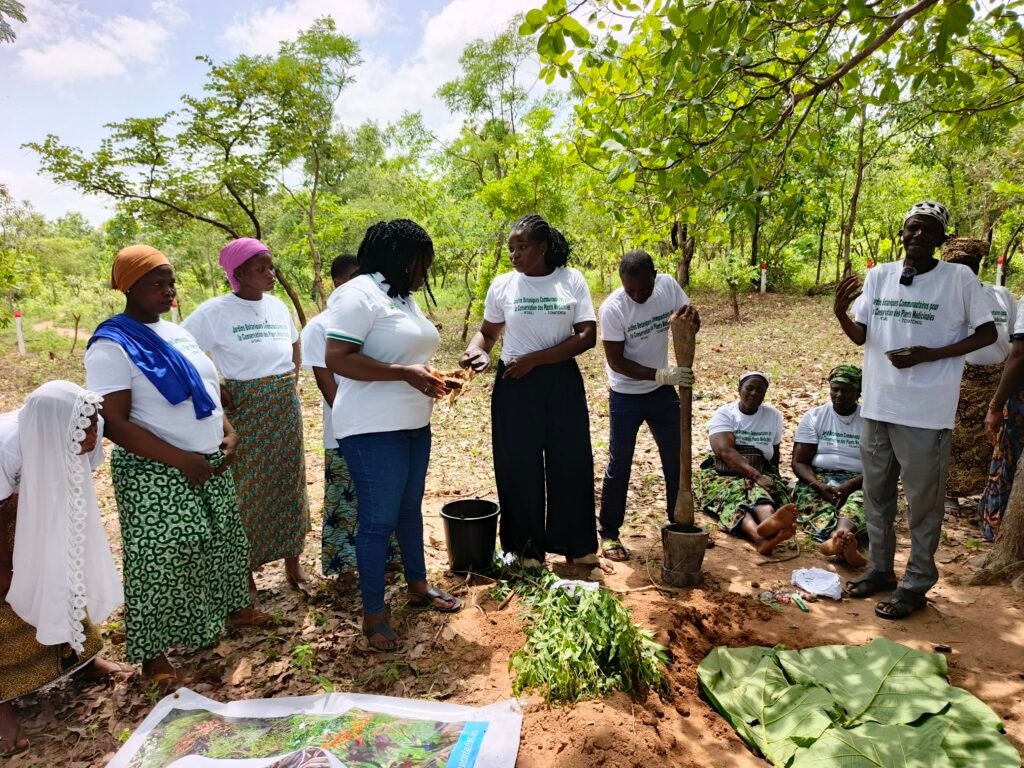
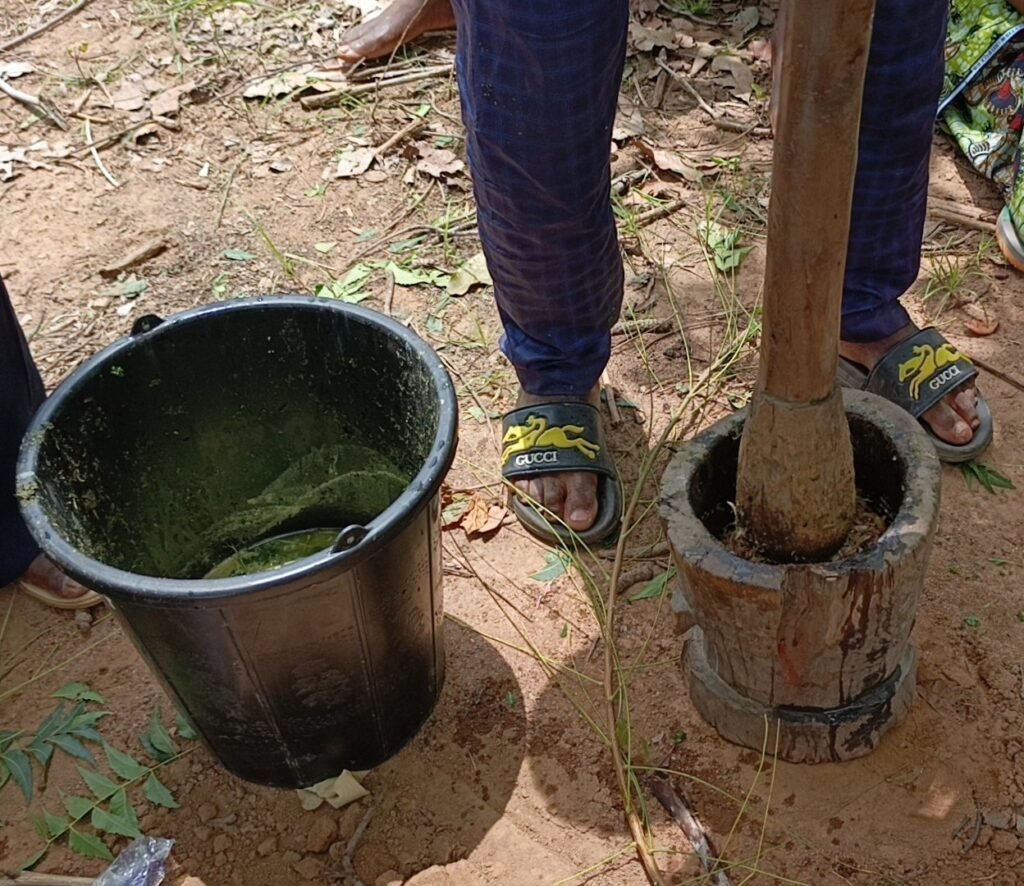
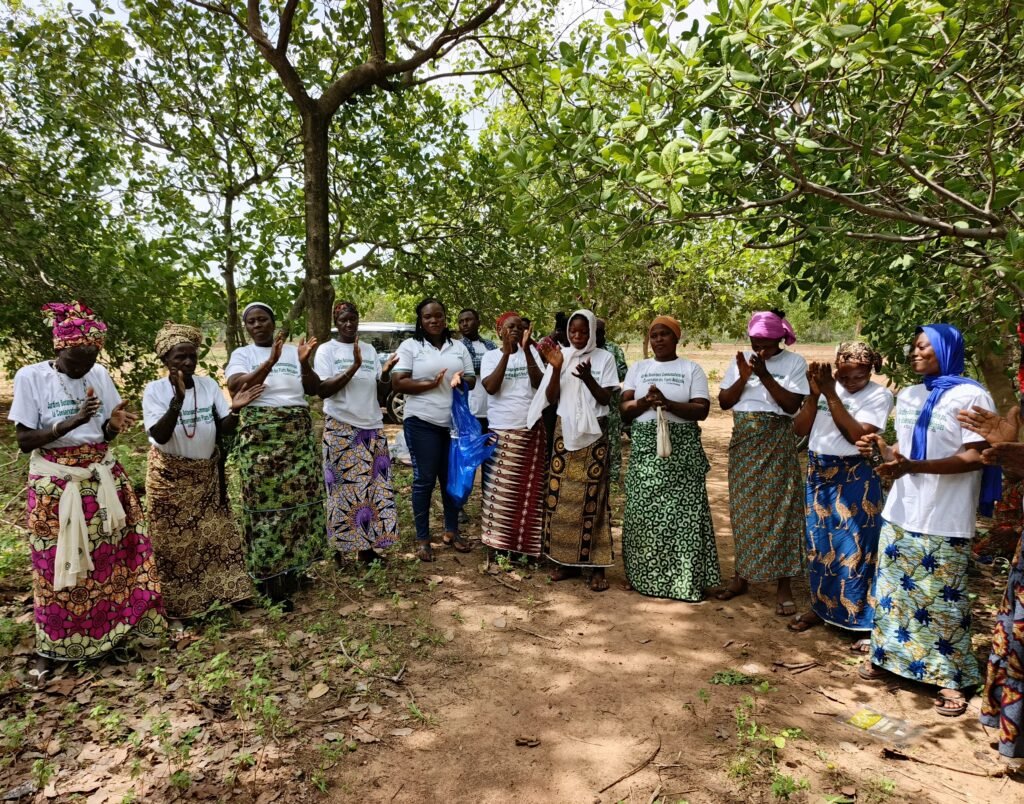
Then it was time for the potion-making session with Naomie Yabi. The agricultural engineer captivated the audience as she detailed the biopesticide production steps. « With chili pepper, black soap, and papaya leaves, you have everything you need to protect your plants without poisoning your soils, » she explained. The men, often more skeptical at first, were the first to step up to the hands-on workshops, eager to handle mortars and sprayers. A healthy male enthusiasm emerged around these 100% natural recipes.
« For years, we were made to believe that we cannot farm without chemicals. That is false. Our demonstration fields in Gbéroukpane and Savalou prove otherwise. With the JARCOMED project, we are not giving fish. We are teaching communities how to make their own nets. A compost bin, a neem-based biopesticide, a successful cutting these are small victories that, taken together, save our soils, our health, and our medicinal plants, » declared Megan Valère Sossou.
But the most powerful moment, without question, was the dialogue with the traditional healers. They the guardians of botanical memory shared their knowledge of threatened species. The trainers took notes, validated certain practices, and co-constructed a participatory monitoring sheet with the assembly. They even identified « sentinel species » to monitor the health of the future botanical garden. It was a true open-air laboratory.
« I am leaving with enriched knowledge on how to make biological insecticides. This JARCOMED project gives us back our power, » a female farmer from N’Dali told us proudly, a sample bottle in her hand.
Over Sixty People Ready to Sustain the Botanical Gardens
In just two days, more than sixty people were trained across the two sites. In both Tchatchou and N’Dali, participants left with key skills in composting, biopesticide production, and plant care exactly what is needed to ensure the long-term sustainability of the community botanical gardens.
The Save Our Planet team delivered on its promises. The JARCOMED project, supported by the Re-Earth Initiative, is not merely about planting trees. It is about training communities to become the guardians of their own biodiversity. In Tchatchou and N’Dali, the earth can now count on new stewards.
See the French version of this article on the next page.
Laisser un commentaire